How to Improve Your Fleet Maintenance Management
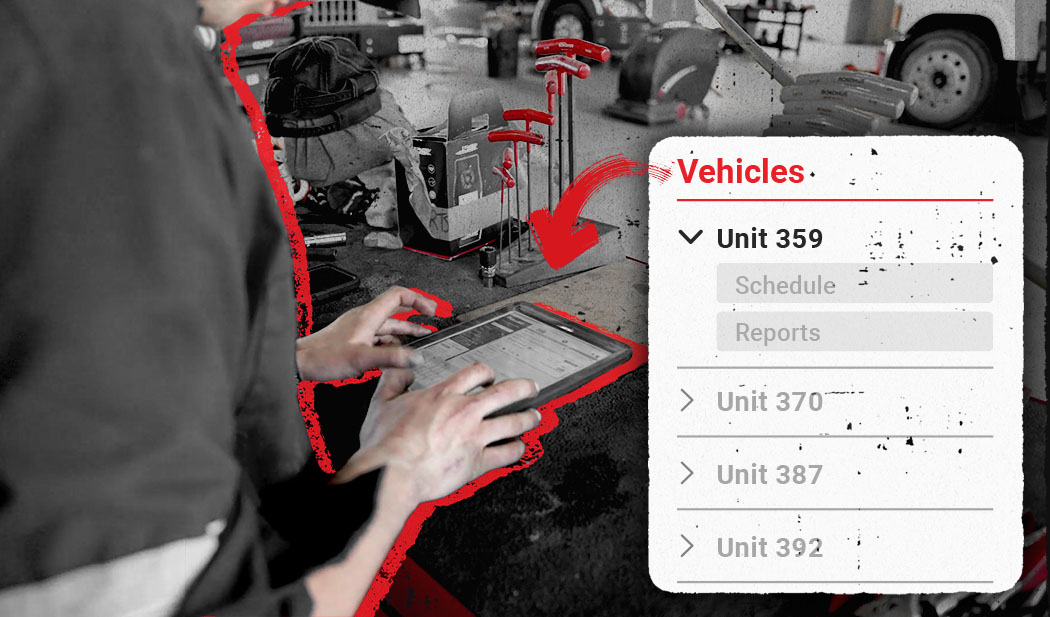
Fleet maintenance management doesn’t handle itself. If it did, you wouldn’t be here, because you wouldn’t be looking for an article to help you with this task in the first place. After all, when was the last time you read a blog called “10 Tips for Blinking and Breathing”?
But since keeping up with fleet maintenance does require hard work, you’ll need a solid strategy for keeping your fleet in good condition. As part of that, you’ll want both a qualified fleet manager and a software solution that person can rely on to get the job done.
Keep reading for helpful advice on improving your shop’s approach to managing fleet maintenance.
What Does a Fleet Manager Do—and Why Is Their Role Critical?
The first step any heavy-duty shop needs to take to enhance its fleet maintenance strategy is to hire a fleet manager. Since fleet managers are responsible for overseeing entire fleets, these workers wear many hats…metaphorically speaking, anyway. (In reality, the average fleet manager wears just three hats at a time.)
You can expect your fleet manager to:
- Schedule work on vehicles in your fleet. Fleet managers keep track of important appointments and create maintenance programs.
- Keep up on inspections. By performing regular fleet inspections, fleet managers can ensure the trucks in their fleet comply with relevant standards. (Check out our fleet inspection checklist for help with this one!)
- Help drivers get prepared. This involves taking care of driver scheduling and training so they can comply with safety and legal standards.
- Communicate with other departments. When they work closely with other departments, fleet managers can help your business save money and comply with regulations.
- Track fleet expenses. A good fleet manager will keep a watchful eye on fuel purchases and other costs. Along with that, they’ll work to maintain good relationships with vendors.
Benefits of a Good Fleet Maintenance Program
Once you’ve hired a fleet manager, they’ll start putting together a fleet maintenance program for your shop. When that program is in place, you’ll enjoy the full benefits of fleet maintenance, including:
- Reduced repair costs and downtime. Taking care of scheduled PMs on time will lower your fleet’s long-term repair costs and help you keep trucks on the road.
- Increased asset lifespan. The better job your shop does of taking care of vehicles in its fleet, the longer you can expect these vehicles to last.
- Improved FMCSA compliance. Good fleet maintenance can help your fleet comply with Federal Motor Carrier Safety Administration standards, as well as other requirements.
- Real-time fleet tracking. With help from today’s telematics equipment, you can track your fleet’s locations, engine hours, and mileage in real time.
How Preventive Maintenance Lowers Maintenance Costs
Does your shop only fix problems with vehicles after the fact? If so, you’re following a strategy known as “reactive maintenance”—and you might not be getting the results you deserve. But if you start focusing on preventive maintenance instead, you can get ahead of these issues (and enjoy all sorts of benefits in the process).
Preventive maintenance is all about stopping problems in their tracks before they have a chance to get worse. By following this strategy, you can lower your shop’s maintenance expenses and your fleet’s risk of unexpected breakdowns. What this means is that taking PMs seriously can make your fleet more reliable and cost-effective than ever.
To truly benefit from preventive maintenance, you’ll need a rock-solid scheduling solution. Since manual PM tracking is notoriously hard across an entire fleet, your fleet manager should have access to software (like Fullbay) that can keep an eye on maintenance schedules.
How to Use Fleet Maintenance Software to Stay on Track
If you invest in high-quality fleet maintenance software, your fleet manager will get help keeping up with PMs—but that isn’t the only thing these programs can track. With the right software solution, your shop will also get support in keeping up with:
Work Orders
The best fleet management software lets users track the status of ongoing repair jobs in real time. Because of that, you’ll find it easier than ever to keep work orders moving.
Part Tracking
When technicians aren’t able to find that one part, their progress stands still—reducing your business’s overall efficiency. Fortunately, modern fleet maintenance software can help with inventory features that monitor the locations and stock levels of your shop’s components. These systems can also let your workers know when it’s time to order more parts.
Technician Hours
While tracking hours is something any shop should take seriously, this process needs to be as straightforward as possible. To simplify the invoicing process, some fleet management programs can automatically track techs’ labor hours within work orders.
Vehicle History
If any vehicles in your fleet are suffering from recurring problems, your fleet manager needs to know about these issues. The best fleet management programs can help by sharing detailed information about your trucks’ repair histories.
What Is the Best Fleet Management Software for Maintenance?
Focusing on the capabilities listed above can make it easier to narrow down your software options, but your fleet management software needs to deliver more than that. Your program of choice should also offer:
- Integration with other software. If your shop already uses other programs, your fleet management software must connect seamlessly with these digital tools.
- Customer communication features. The right software solution will let customers authorize work and get updates on repairs from their smart devices—without requiring your techs to send these updates manually.
- Powerful reporting capabilities. When your fleet manager can get a full picture of your shop’s revenue streams, technician efficiency, and other vital stats, they’ll be able to use these reports to make informed decisions about the future of your fleet.
- Help with onboarding. Even if your fleet management software has an intuitive user interface, getting up to speed with a new program can be tricky. Because of that, your program should deliver a wide range of onboarding, support, and training capabilities.
While shopping for fleet management software, you’ll want to make sure you can find a solution that offers all of these features (instead of just one or two).
It’s also important to remember that not every program in this category is designed for heavy-duty diesel fleets. The ones that are built with this use case in mind will deliver the best possible results—and Fullbay certainly falls into that category.
How Much Does Fleet Management Software Cost?
Comparing the costs of fleet management programs is trickier than you might expect, and that’s because different software solutions in this category have different pricing models. Depending on the fleet maintenance software you choose, your pricing may vary based on:
- The number of vehicles in your fleet
- The number of users accessing your program
- The service tier you enroll in
You’ll also need to consider your ROI when considering the cost of various fleet management software options. These programs can help you cut maintenance costs and operational costs, which could partially offset the cost of your software.
Fullbay offers a truly flexible pricing model designed to take your shop’s size and service requirements into account. With our software, you’ll be able to choose a pricing level that fits your situation, pay per user/per location, and only spend money on the features you’ll actually need.
Manage Fleet Maintenance the Right Way
Since fleet maintenance management is far from an automatic process, you’ll definitely need support when it comes to getting this job done. And while hiring the right fleet manager is a huge part of this process, that should only be part of your strategy. You’ll also need to invest in high-quality fleet management software like Fullbay.
When you start using Fullbay in your shop, your fleet manager will be able to use powerful features (fleet-ures? Eh, we tried) like work order management, vehicle history logs, and part tracking. Taking the first step couldn’t be simpler—just set up a demo today!

Get news & tips Right in your inbox.