
How to Get Started With EV Fleet Management

When your fleet manager has only ever had experience with diesel-powered vehicles, adapting to EV fleet management might be tricky. But with a bit of help from the experts (i.e., us), your shop will be able to stay ahead of the curve while using electric vehicles the right way.
How EVs Are Changing Fleet Management Roles
Even if you haven’t bought any electric vehicles yet, your fleet manager has so much to deal with on a daily basis. But to succeed in electric car fleet management, this person will also need to:
- Keep an eye on EV charging. Fleet managers are responsible for overseeing charging schedules, energy usage, and more.
- Rethink fleet routing. When it comes to route planning, the “diesel vs. electric” debate doesn’t have a clear winner. EVs are great at dealing with stop-and-go routes, but they don’t perform as well as diesel-powered vehicles in terms of highway mileage.
- Know how to maintain electric vehicles. Along with other preventive maintenance problems, electric vehicles can suffer from poor battery health and other EV-specific issues.
- Manage finances for your EV fleet. Adding electric vehicles to your fleet can complicate your shop’s finances in unexpected ways. For example, you’ll have to reimburse drivers for power usage if they charge an EV at home.
The Benefits of EV Fleets
Though adding electric vehicles to an existing fleet isn’t always easy, it’s still worth the effort. Adopting EVs comes with advantages like:
Lower Maintenance Costs
Let’s get one of the biggest issues with electric vehicles out of the way—they’ll usually cost more than “traditional” trucks upfront. Still, that isn’t the only factor you’ll need to consider while weighing the potential impact of these vehicles on your bottom line.
Since electric vehicles don’t have as many moving parts as diesel-powered vehicles, maintenance for EVs is considerably cheaper than taking care of older trucks. Across multiple vehicles (or even an entire fleet), it won’t take long for these savings to add up.
An Improved Reputation
Has your shop ever run an ad campaign about how you’re trying to make the environment worse on purpose? We’re going to guess you haven’t—these days, consumers care more deeply about conservation than ever before.
According to Deloitte, 63% of millennials will pay more for eco-friendly products and services. Considering how important this topic is to many people, adding EVs to your fleet is a great way to give your reputation a boost.
Access to Funding Incentives
Including electric vehicles in your fleet could give you access to financial incentives from the government in the form of grants or tax credits. This could change, so keep an eye on it in case these incentives get rolled back. But by taking advantage of these benefits while they’re available, you can save money for what really matters—heavy-duty shop software. (More on that later.)
More Route Opportunities
If your fleet only uses Ye Olde Diesel-Powered Vehicles, you might not always be able to follow the best possible route from Point A to Point B. When a route goes through zero-emission or emissions-restricted zones, you’ll need to find an alternate path to your destination (or use it anyway and pay a fine for the privilege). Of course, you won’t have to worry about these zones with electric vehicles—and you can keep your productivity and efficiency high as a result.
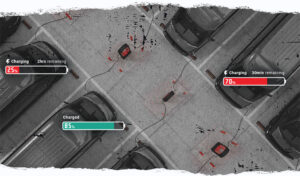
EV Fleet Charging Infrastructure Essentials
Since charging EVs takes longer than filling a tank with fuel, your fleet manager needs to put some serious thought into your EV charging schedule. Ideally, this schedule will account for:
- The number of miles your vehicles will drive
- Charging station availability along your routes
- The effects of charging on EV battery health
- The cost savings associated with off-peak charging
If your shop isn’t already EV-ready, you’ll also want to invest in a charging solution before adding these vehicles to your fleet. While researching your options, make sure the solution you choose is scalable. That way, you’ll have no trouble adding charging capacity if and when you start using more electric vehicles.
What Else Does Your EV Fleet Need?
Installing charging infrastructure isn’t the only change you’ll need to make while adding EVs to your fleet. You’ll also need to invest in:
Telematics Equipment
Modern electrical vehicles usually come packed with a ton of sensors. To make the most of the data these sensors collect, you’ll want to have a comprehensive telematics solution as part of your EV fleet management system.
Telematics is all about using telecommunications equipment to send vehicle data (including info on its mileage, location, and engine hours). If your EVs don’t have telematics equipment built in by default, you can plug an aftermarket telematics device into these vehicles. Either way, your fleet manager will need a way to access telematics data on their end—and choosing fleet management software that integrates with your equipment will make this easy.
Dedicated Bays
Electric vehicles have different service needs than their diesel-powered counterparts. Because of that, revamping one of your service bays with these vehicles’ requirements in mind can make it easier to take care of EVs.
As part of this work, take time to hang up relevant warning signs and collect the tools and safety equipment your techs use while working on EVs. When you’re done, everything your employees need to deal with these vehicles will be located in a single convenient place.
Employee Training
If your techs aren’t already familiar with electric trucks, they’ll also have to learn how to repair and maintain these vehicles. Still, you’ll need to juggle your employee training requirements with the day-to-day demands that come with fleet maintenance. To do that, you could send one or two techs back to school at a time to make sure they’re up-to-date on all things EV.
Vehicle Parking
Is your shop based in an area that gets cold during the winter? If it is, you’ll need to think about the impact these temperatures can have on your electric vehicles. Since EV batteries lose range and take longer to charge in the cold, it’s best to park these vehicles out of the elements if you can.
Maintenance Tracking
Electric vehicles are just like any other vehicle in one important way: they’re powered by electricity. Wait, no: we meant to say, “they need regular maintenance to reach their full potential.” And while manually tracking PMs across an entire fleet can be nearly impossible, using the right fleet management software will make this a breeze.
Optimize Your EV Maintenance With Fullbay’s Fleet Maintenance Management
Since Fullbay’s fleet maintenance management software provides automated reminders for preventive maintenance work, your fleet manager will never miss one of these vital appointments. Between that and benefits like telematics integration, inventory management features, and data reporting, our tools can take your shop’s electric vehicle fleet management strategy to the next level. If you’re interested, schedule a demo today!


Get news & tips right in your inbox.
