Benefits of Integrated Payment Processing for Heavy-Duty Repair Shops
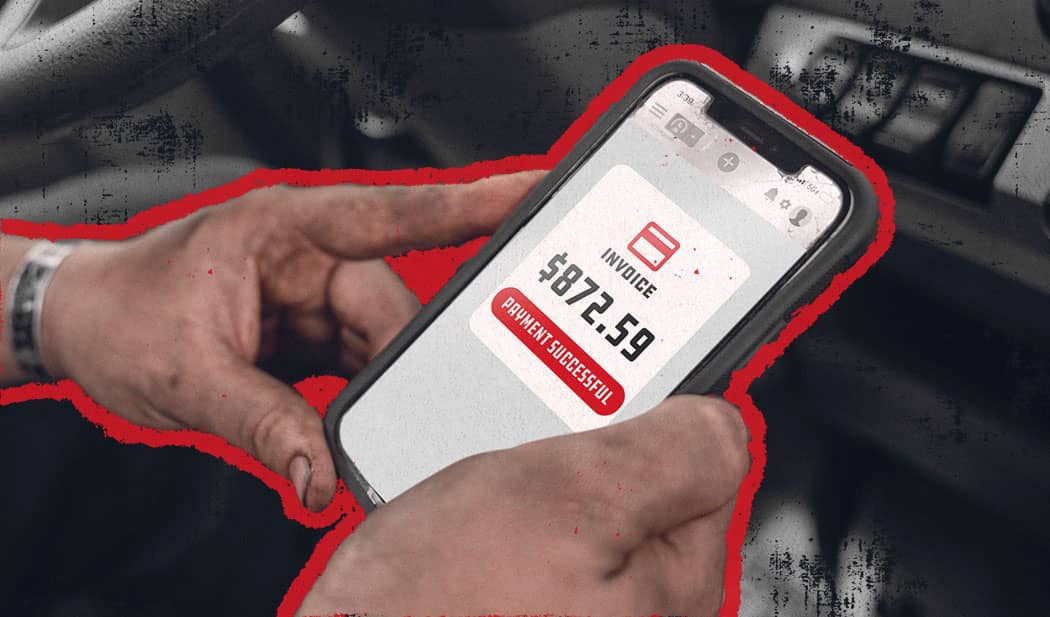
Congratulations: your heavy-duty shop just completed a big job! What were your techs working on, you may ask? It doesn’t matter. What’s really important is that it’s time to get some well-earned cash…or it would be, if your customer hadn’t left their credit card at home.
Okay, good news: your customer found their credit card! Slightly less good news: they won’t be able to make it back to the shop today. Or tomorrow. It’s such a shame they’ll have to visit your physical location to make a payment…
If you’ve seen this scenario play out one too many times at your shop, you should know there are steps you can take to avoid it. Once you add an integrated payment processing system to your workflow, your customers can make digital payments remotely (and you’ll unlock many, many other perks).
Wondering where to start? We can help — here’s our guide to integrated payments for repair shops.
Introduction to Integrated Payments
Sometimes, the traditional ways of doing things are still the best…just not when it comes to heavy-duty shop payments. Even if they seem functional enough, older payment systems can cause payment delays and frustrate customers at the best of times. But when you add integrated payment processing systems for heavy-duty repair shops to your…heavy-duty repair shop, you can take your collection strategy to the next level.
Integrated payment processing systems connect your payment processor to your point-of-sale system. Along with that, these systems make billing and collection part of your overall repair process. (Your overall heavy-duty repair process, that is. Unless you also repair overalls for some reason?)
How Integrated Payments Differ from Traditional Systems
Does your shop still rely on an old-fashioned payment system? If so, you don’t need us to tell you how these systems can cause problems related to:
- Payment speed. The average heavy-duty shop is all too familiar with payment delays, and inefficient payment methods only add to this issue.
- Disputes. When a customer files a chargeback, fighting back can be difficult if you don’t have the right tools for the job.
- Refunds. Do you need to issue refunds? Integrated payment systems let shops do this in a few clicks, but it can be trickier to accomplish this task when you’re stuck with another payment method.
- Reporting. Transactional data analytics for heavy-duty repair shops can help these businesses reach their full potential. Unfortunately, you won’t get that info with an outdated payment system (at least, not without a lot of hard work on your end).
On the other hand, integrated payment workflows don’t introduce any of these issues. Instead, they help heavy-duty shops accept payments with maximum speed and security.
Top Benefits of Integrated Payments for Repair Shops
Once you start using an integrated payment system at your shop, you’ll unlock benefits like:
1. Faster Workflows With Built-in Point of Sale Tools
As you know (probably because we’ve brought it up multiple times), one of the biggest issues with standard payment systems is the inefficiency they create. When customers can only make payments at your shop, you’ll get stuck waiting for payments until they can stop by. Or, in the case of working with fleets, you have to jump through all the appropriate hoops to get those payments authorized.
But thanks to modern-day integrated payment systems like Fullbay Payments, you’ll have no trouble speeding up your payment processes. These systems let customers make payments through both Stripe terminals and an integrated customer portal. Fullbay Payments accepts a bunch of payment methods, too, including fleet cards.
In addition to standard service order payment links, you can send payment requests without a service order thanks to our Quick Charge feature.
2. Recurring Payment Convenience With Stored Methods
The easier your payment process is for customers, the more positive their experience will be on the whole. Integrated payment systems can help by storing ACH/credit card info, allowing repeat customers to make payments with maximum speed.
Thanks to these recurring payment solutions for heavy-duty repair shops, payment won’t take as long as you might expect. Shops using Fullbay Payments receive payments up to 24 days faster* than those using other payment methods.
3. Secure, Reliable Payment Processing
When you’re dealing with confidential information like credit card numbers, keeping this data safe is a must. Fortunately, you shouldn’t have to think about payment security standards for heavy-duty repair shops very often. Today’s leading integrated payment systems work with Stripe to provide PCI-compliant encryption (the industry standard for protecting cardholder data) on every transaction.
Along with that, you should be able to rely on your payment processing system to work consistently and transparently without surprises or disruptions to your day-to-day operations. Plus, you’ll be able to implement automatic fees to offset your own costs without blindsiding customers.
4. Fraud and Chargeback Protection
Any business that accepts credit card payments needs to be on the lookout for fraud attempts and chargeback disputes. However, integrated payment systems help minimize both risks with real-time monitoring, fraud detection features, and help in managing payment disputes.
The way your payment system handles these situations — and how much support you have when they occur — can vary significantly depending on the platform you choose. (For a closer look at how Fullbay Payments approaches fraud and chargeback protection specifically, check out our detailed breakdown via the link.)
5. The Ability To Turn Payments Into Insights
A good integrated payment system won’t just make payments easier for you and your customers. It’ll also collect data on these transactions for you, meaning you can view up-to-date reports on your shop’s financial status whenever you want. Want to check your revenue streams at 3 a.m. on a Tuesday? We can make it happen.
…The point we’re trying to make is that your payment system should give you total visibility into your shop’s payment types, methods, and aging invoices. With that data, you’ll get more accurate forecasting while spending less time on your month-end close process.
Why Choose Fullbay as Your Payments Software?
By now, you should have all the info you need on why integrated payments for repair shops matter. However, you’ll still have to choose the right payment system for your shop’s needs. Guess which one we’d suggest!
When you adopt Fullbay Payments (and, by extension, Fullbay) at your heavy-duty shop, you’ll be able to use the same system for service order creation, invoicing, and payments. Because of that, manual data transfers between separate tools for these jobs will be a thing of the past.
As if that wasn’t enough, Fullbay supports mobile work, counter sales, and fleet billing — making it a true all-in-one solution for payments and more. Schedule a demo today and see what our system can do for your shop!
*Source: Fullbay platform data. Based on invoices with payments processed using Fullbay Payments (Payrix only) and non-integrated payments, from 8/1/24–7/31/25


Get news & tips Right in your inbox.